ABBEY WILLIAMS: FUGUE
May 23 - September 20, 2026
Opening Reception Saturday, May 23rd, 3 - 5 pm.
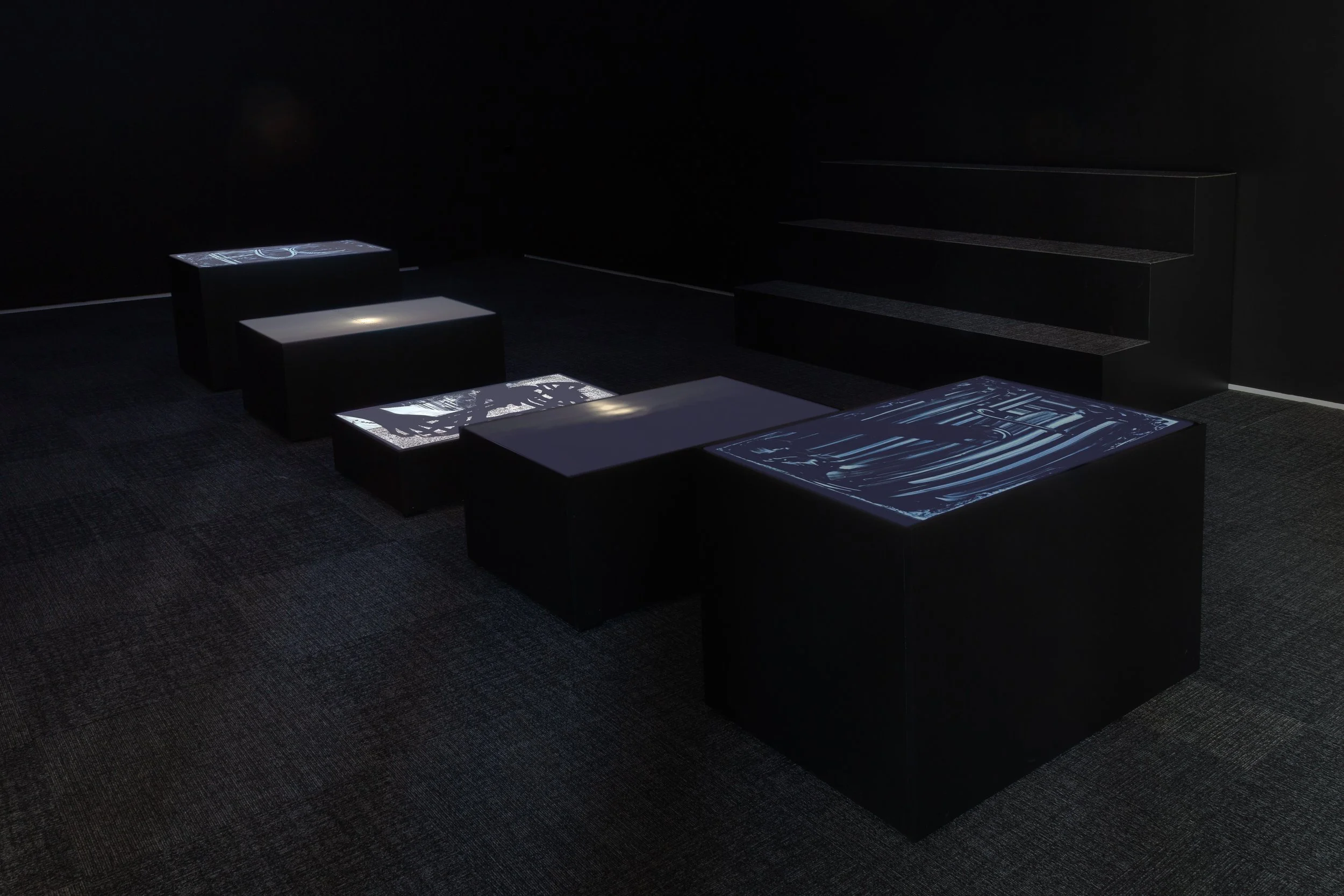
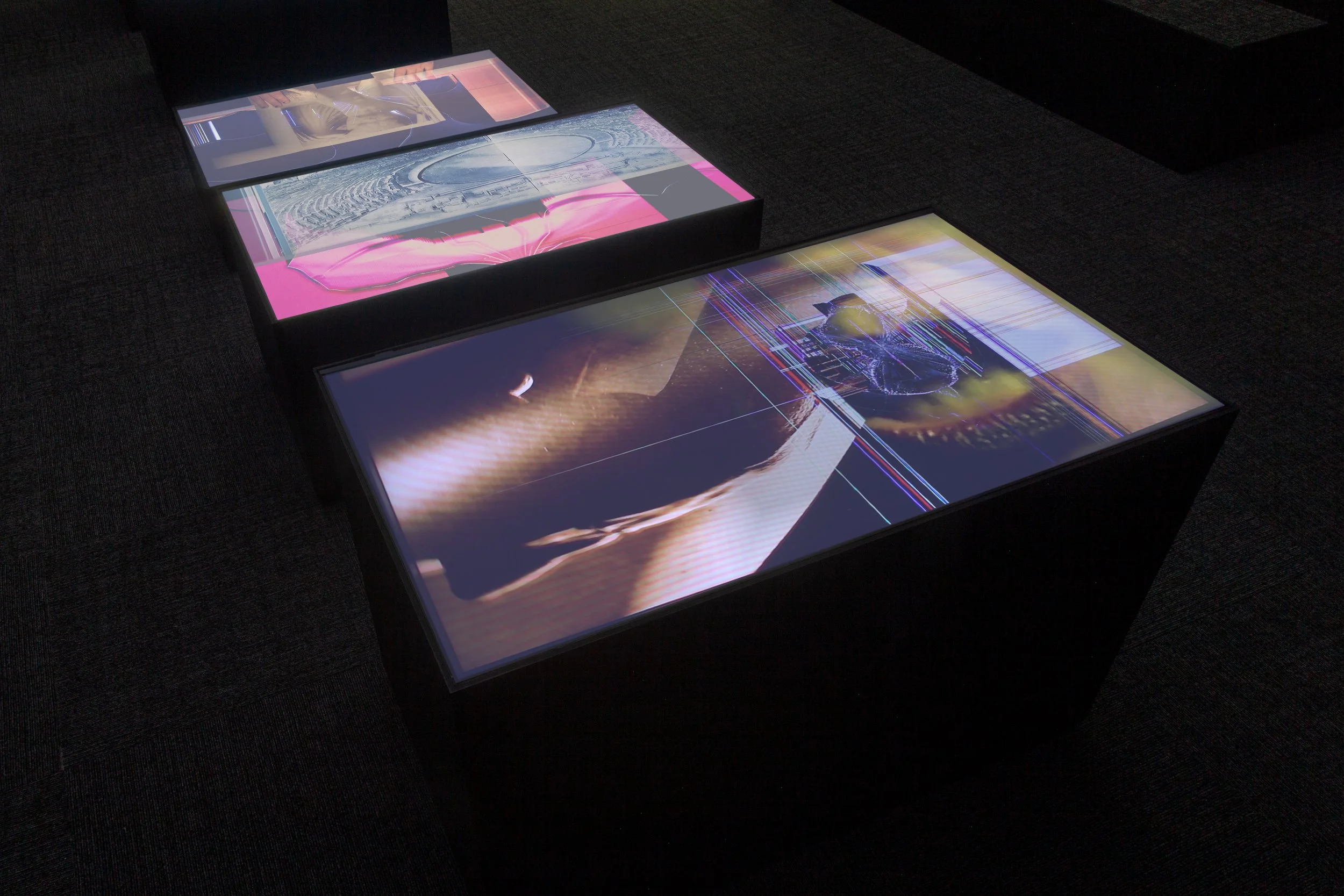
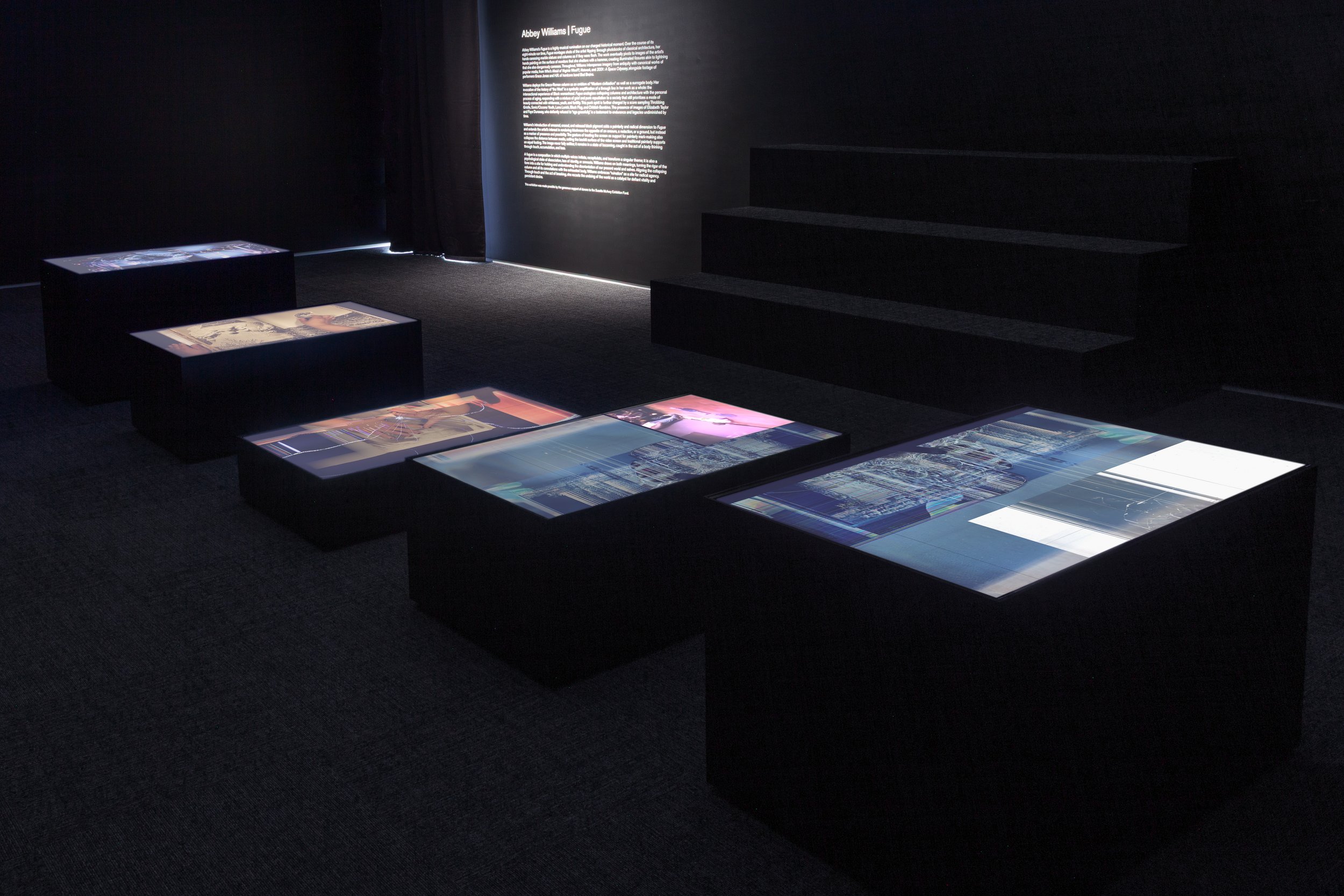
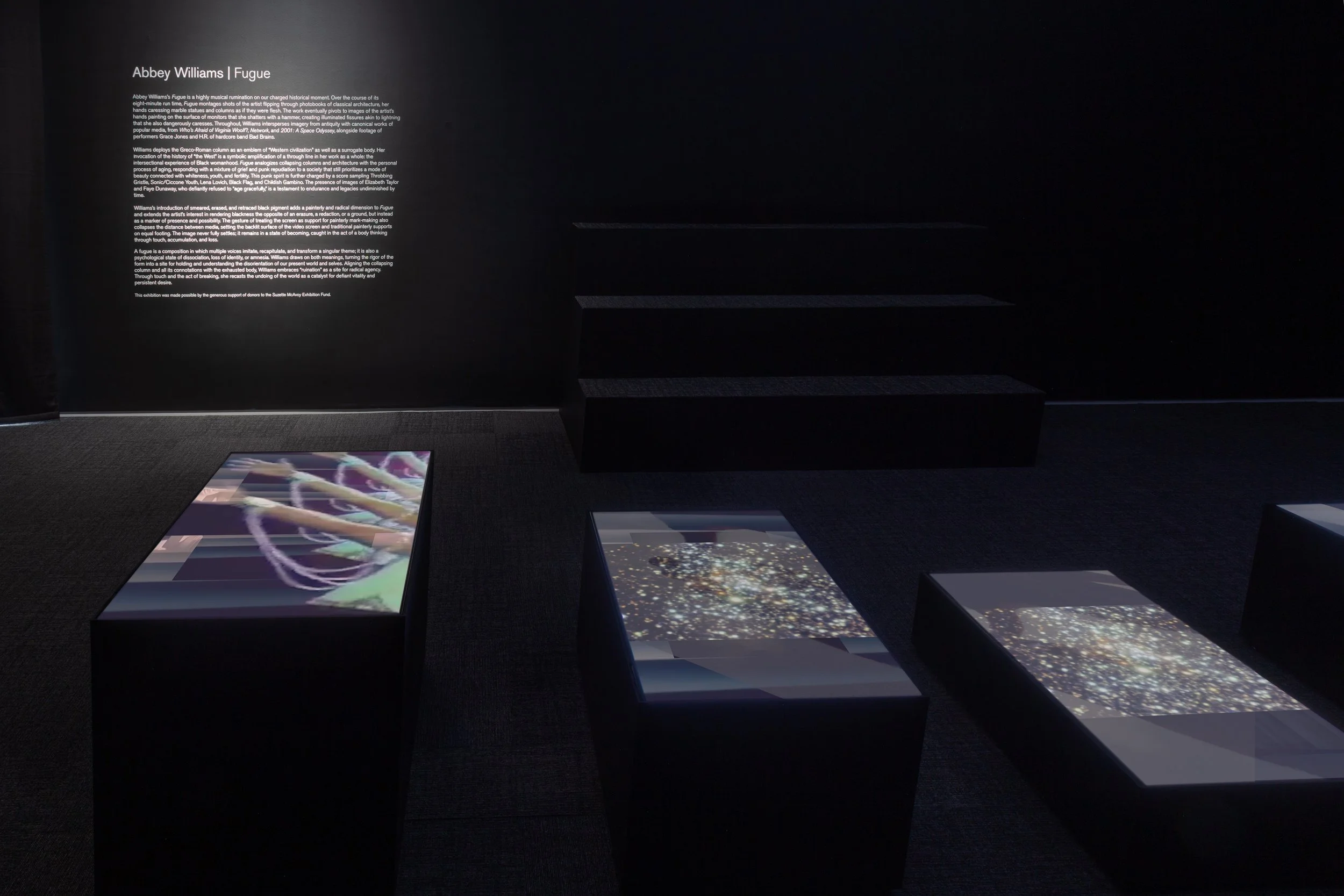
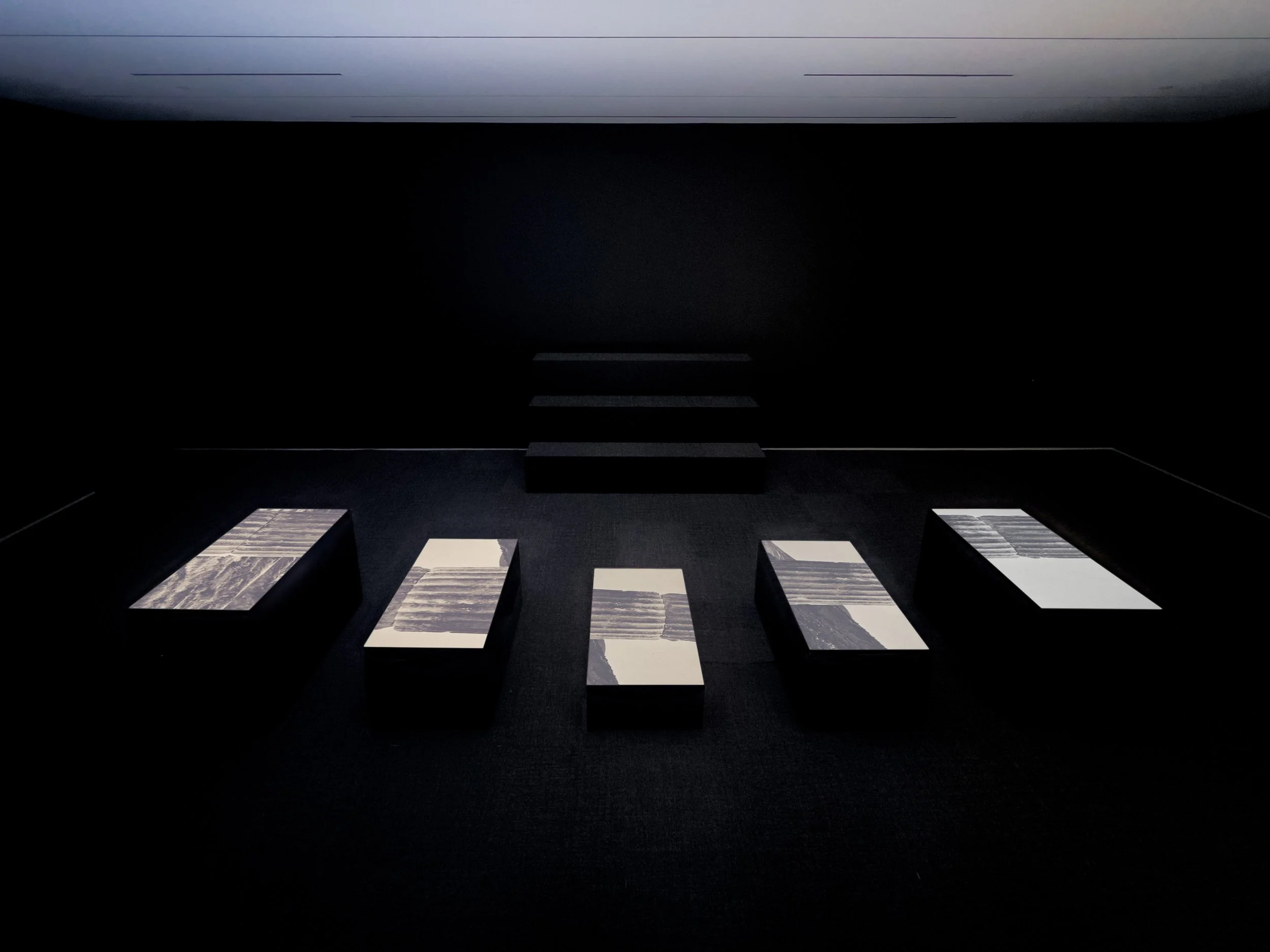
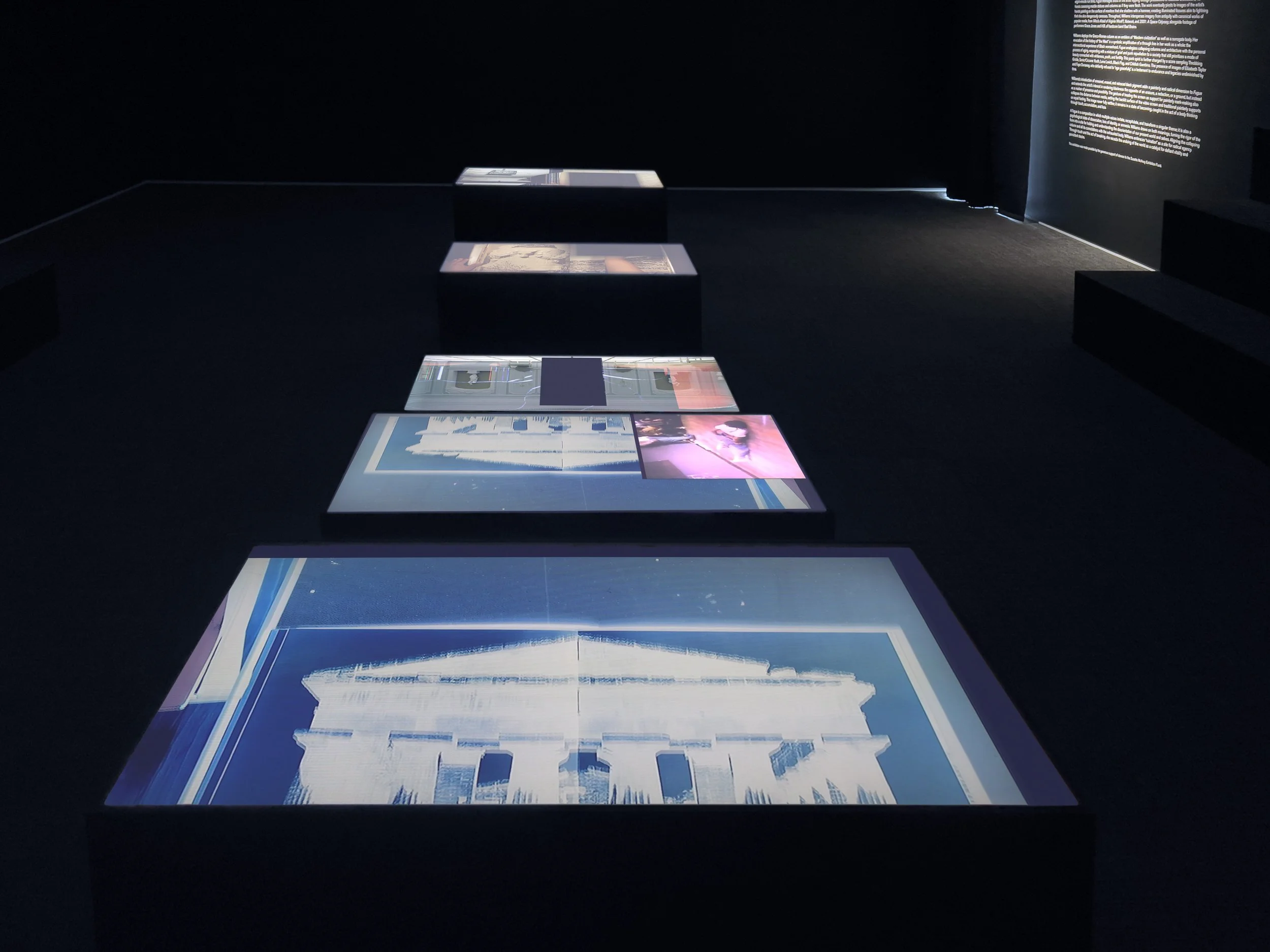
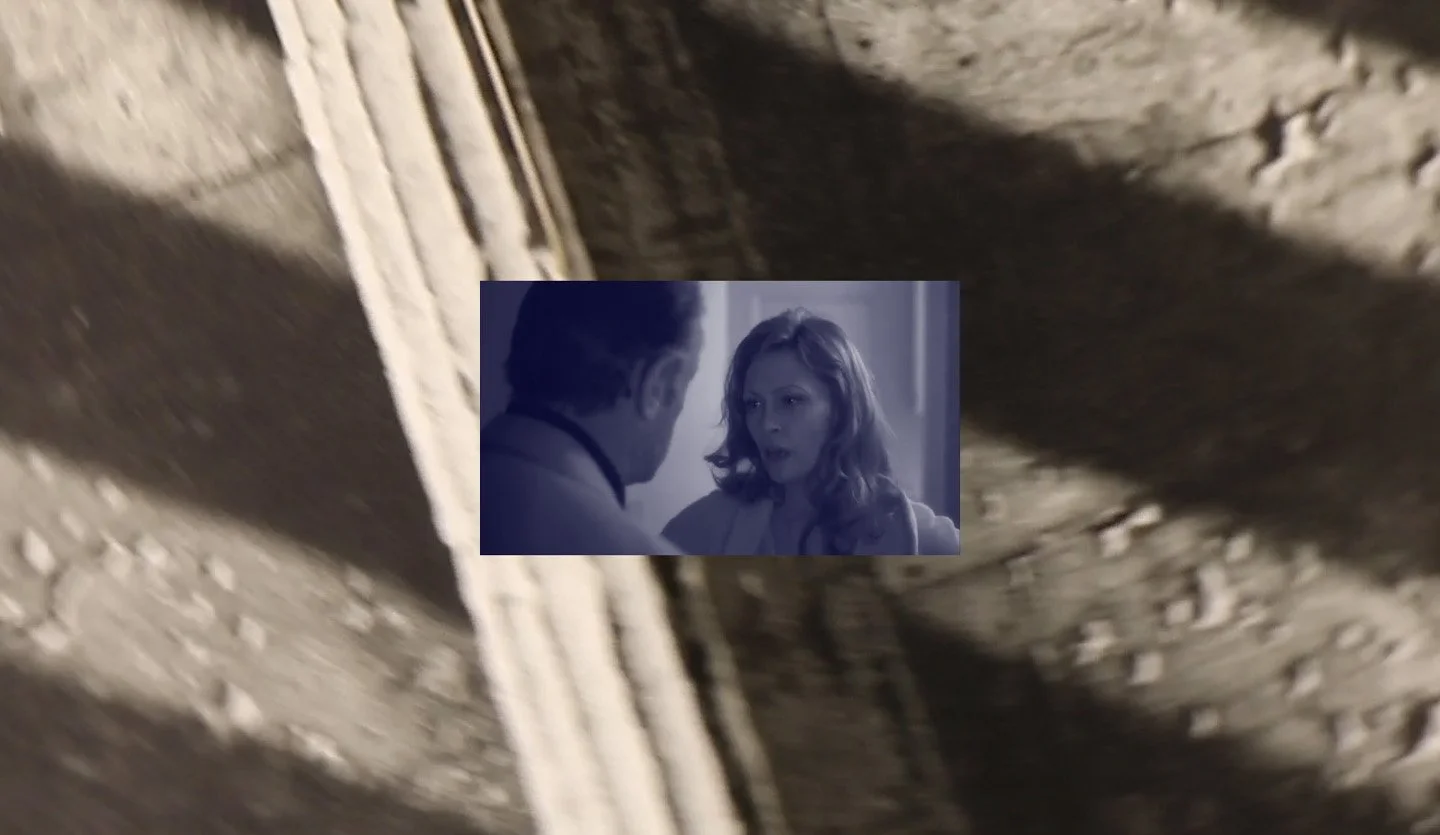
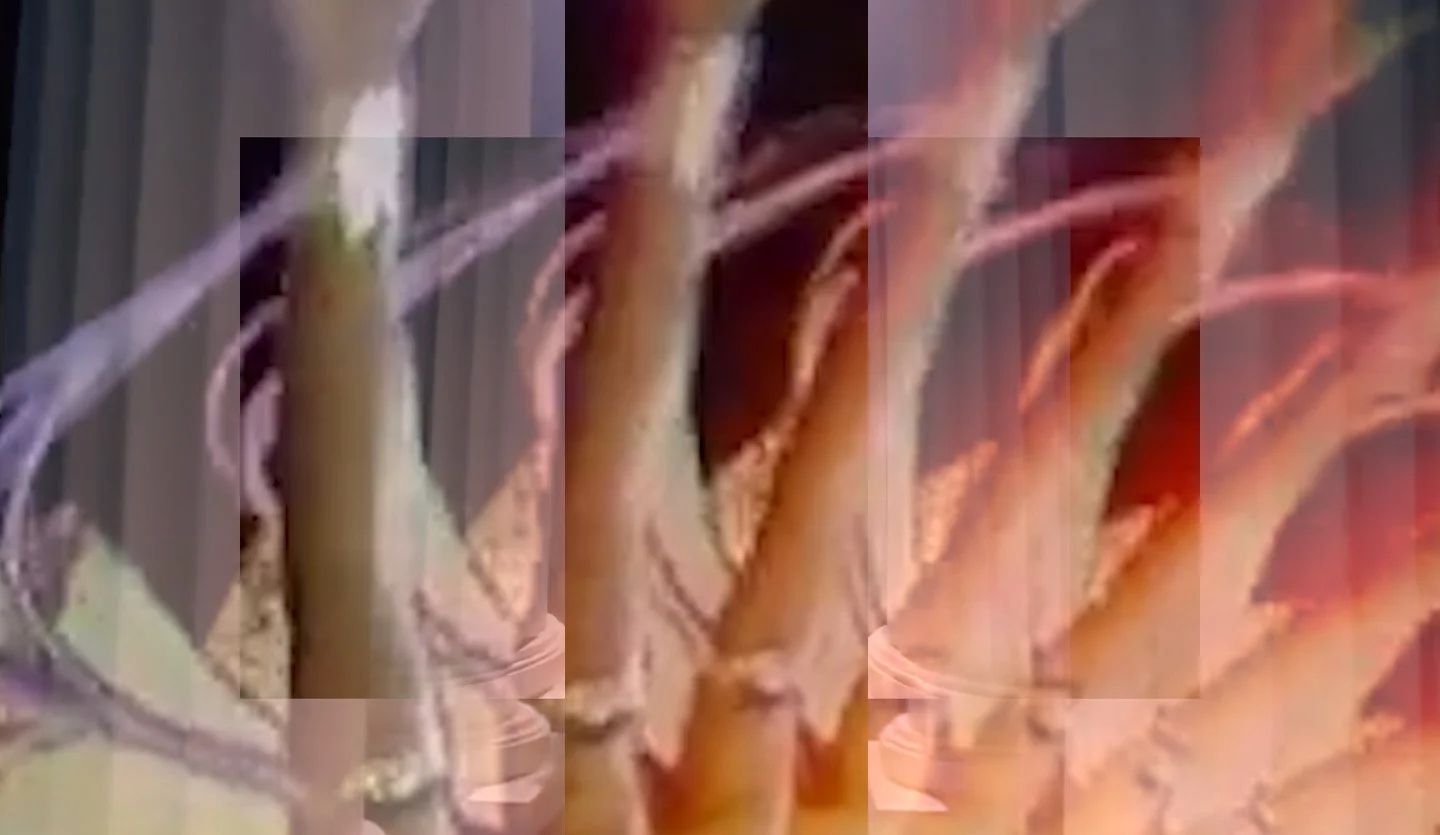
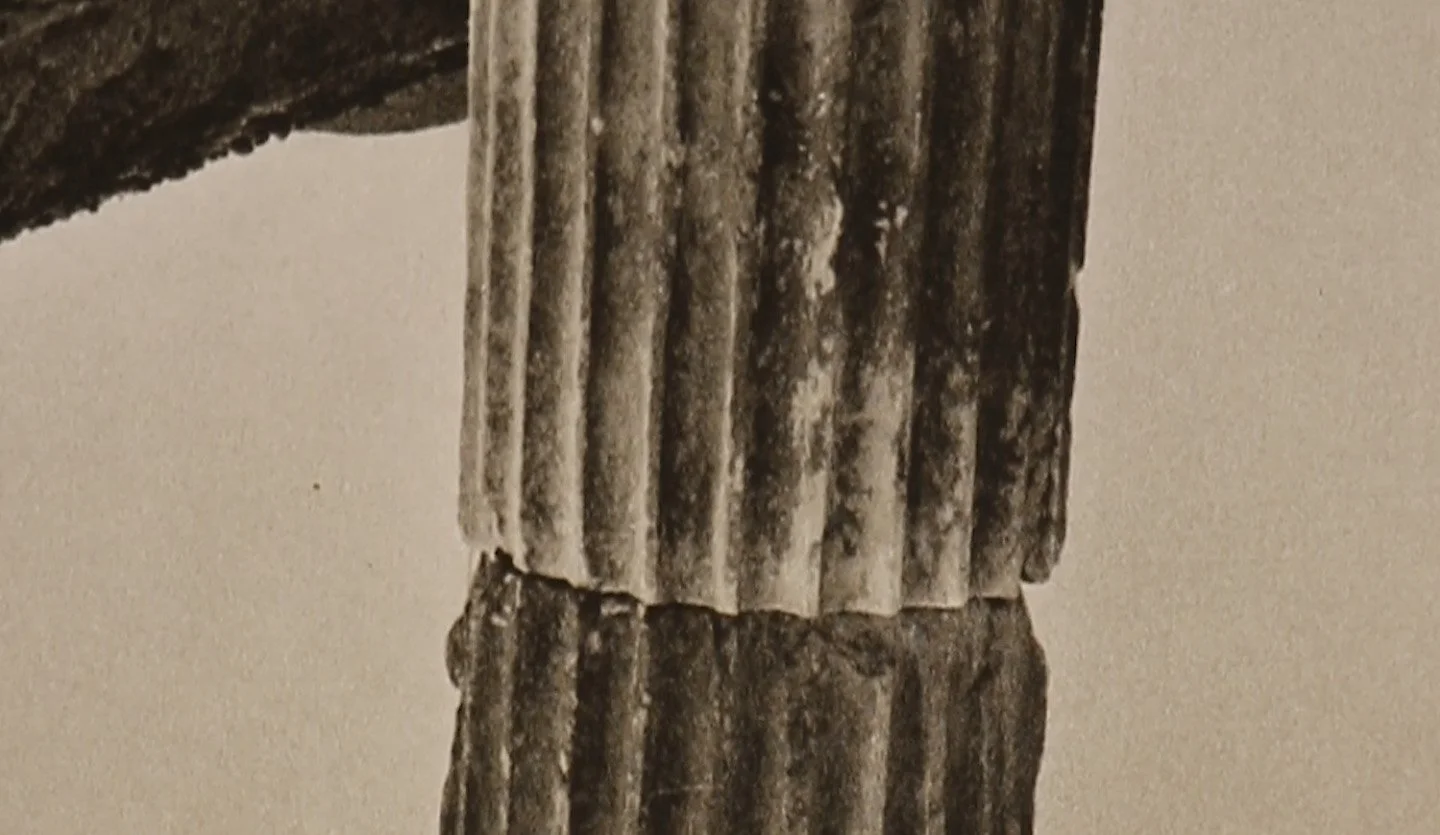
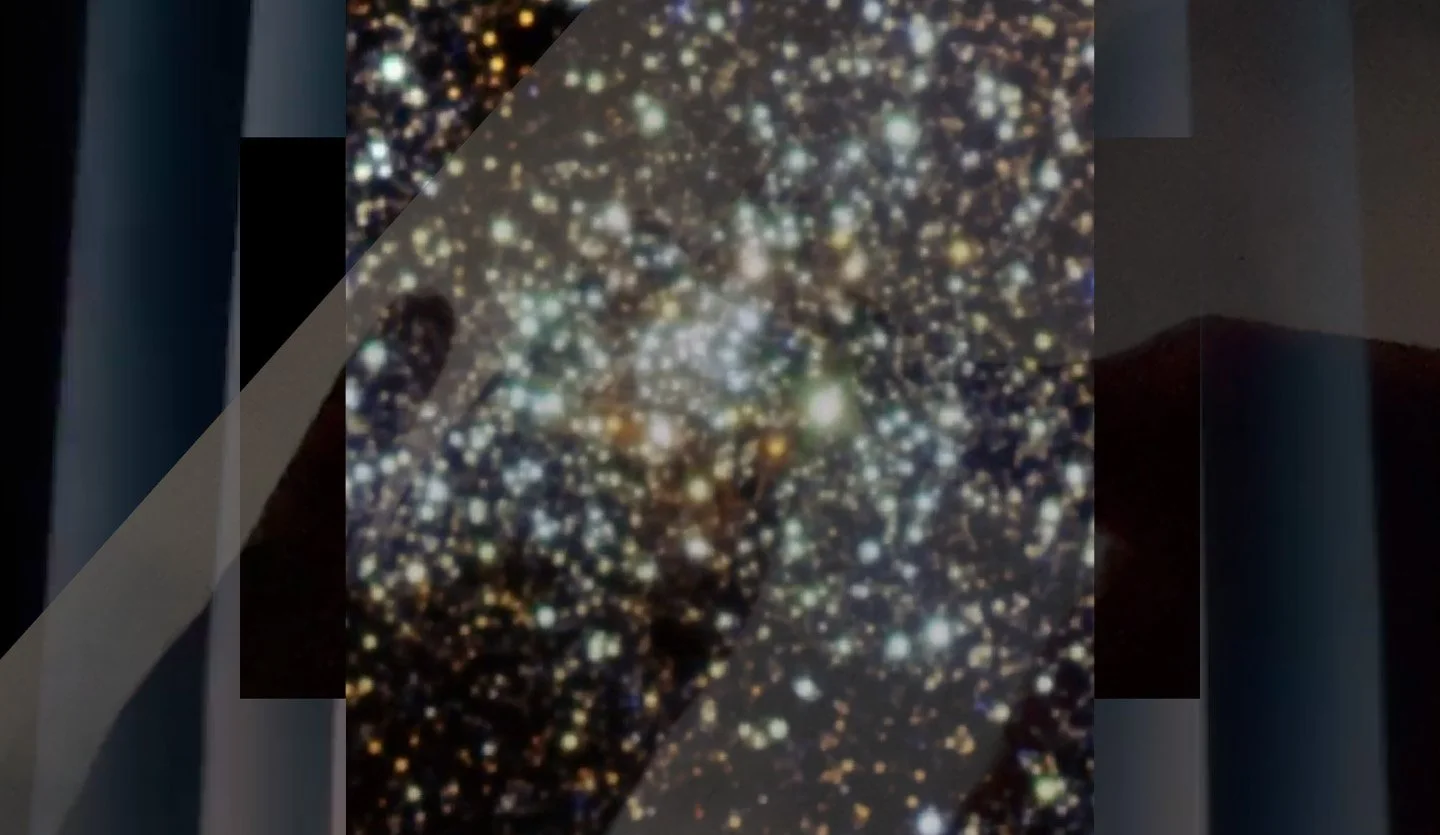
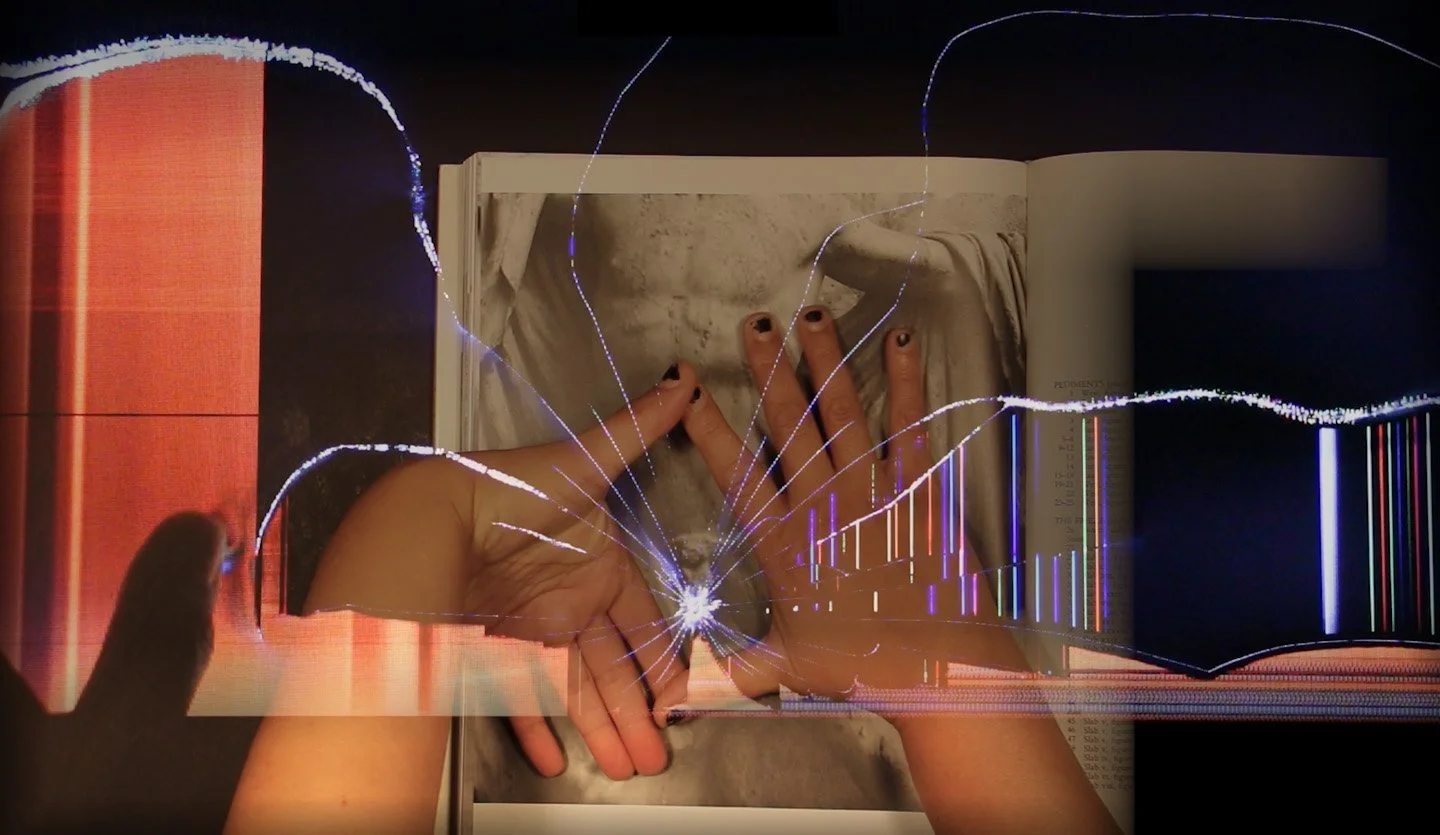
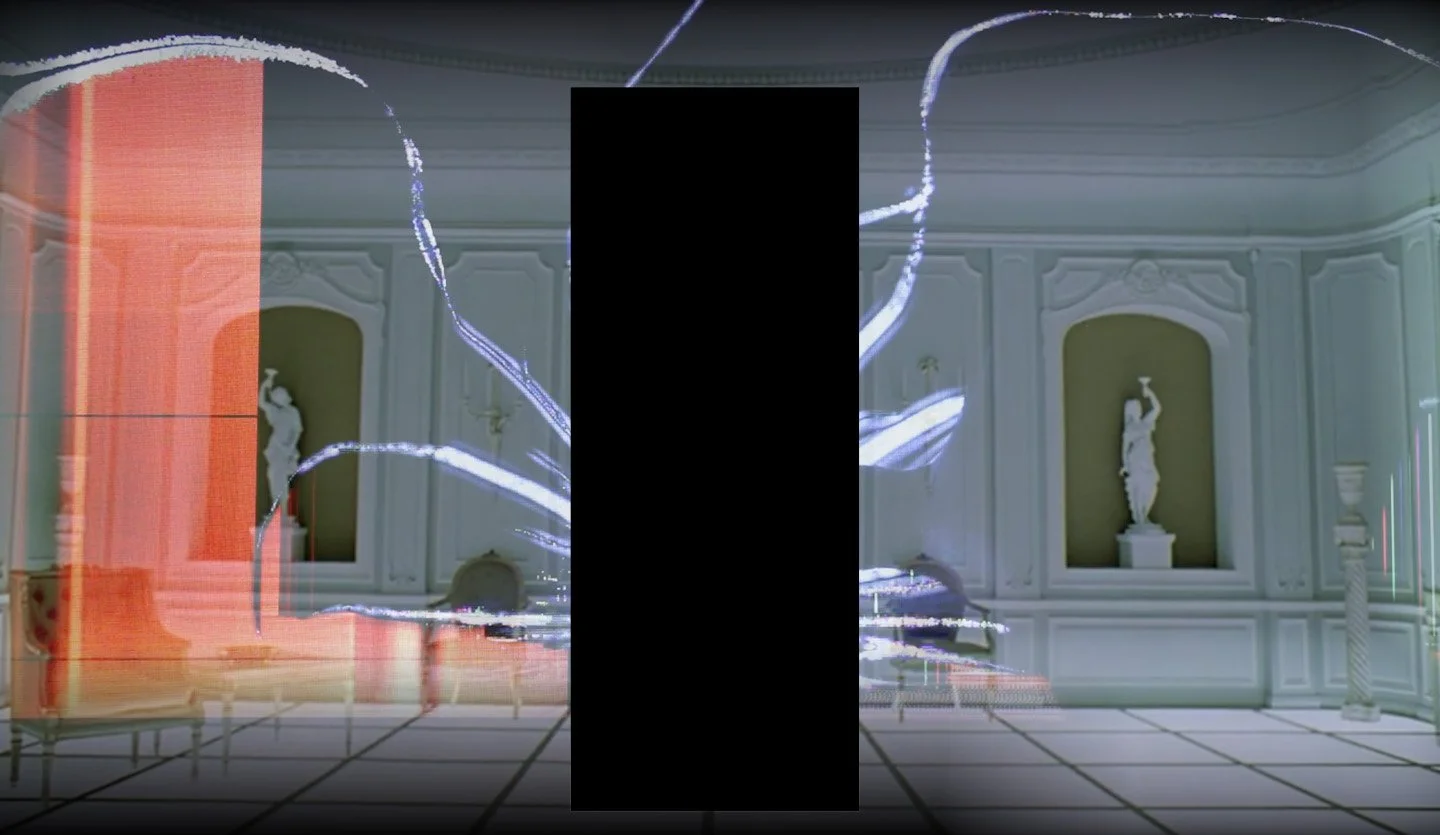
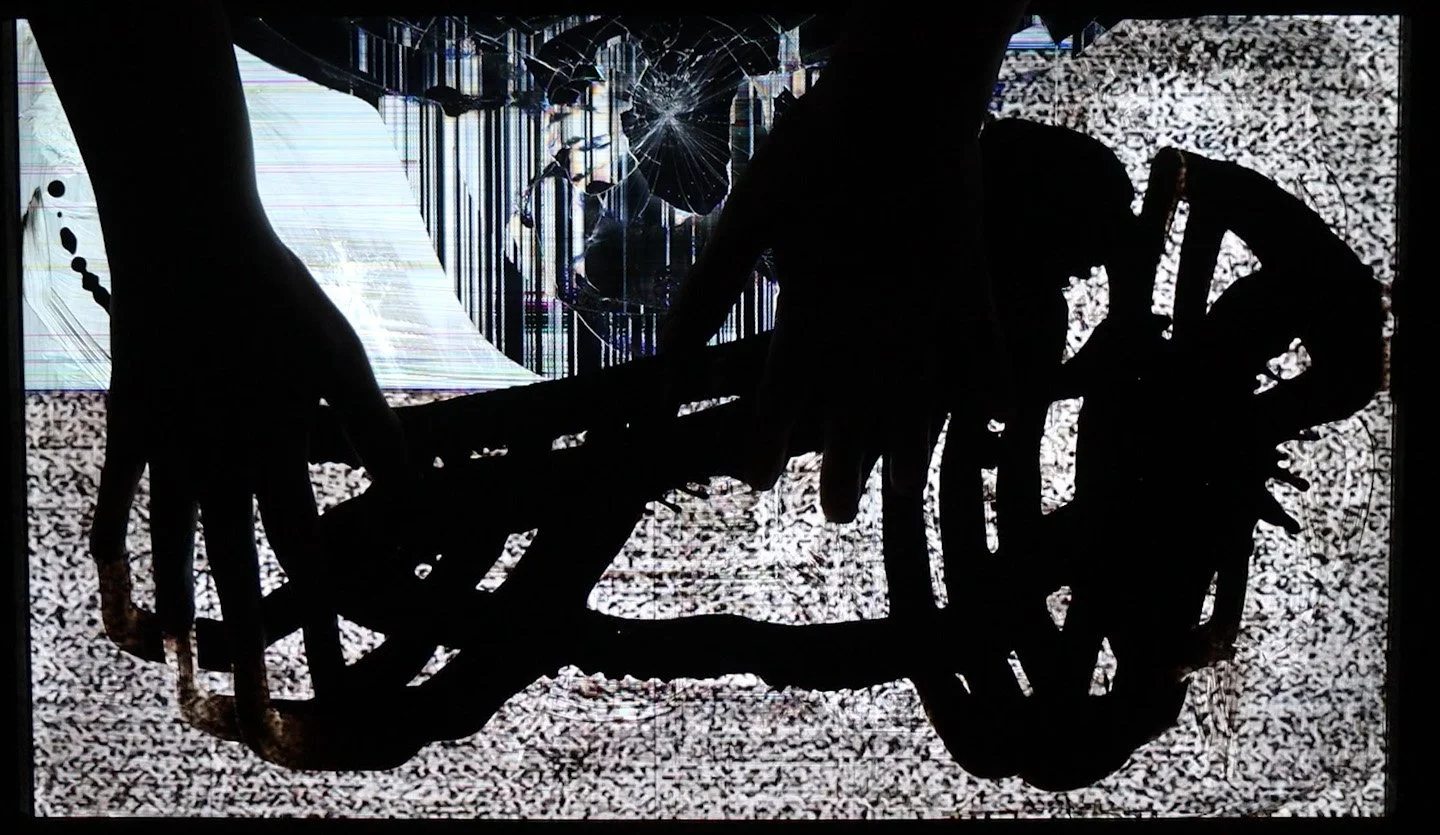
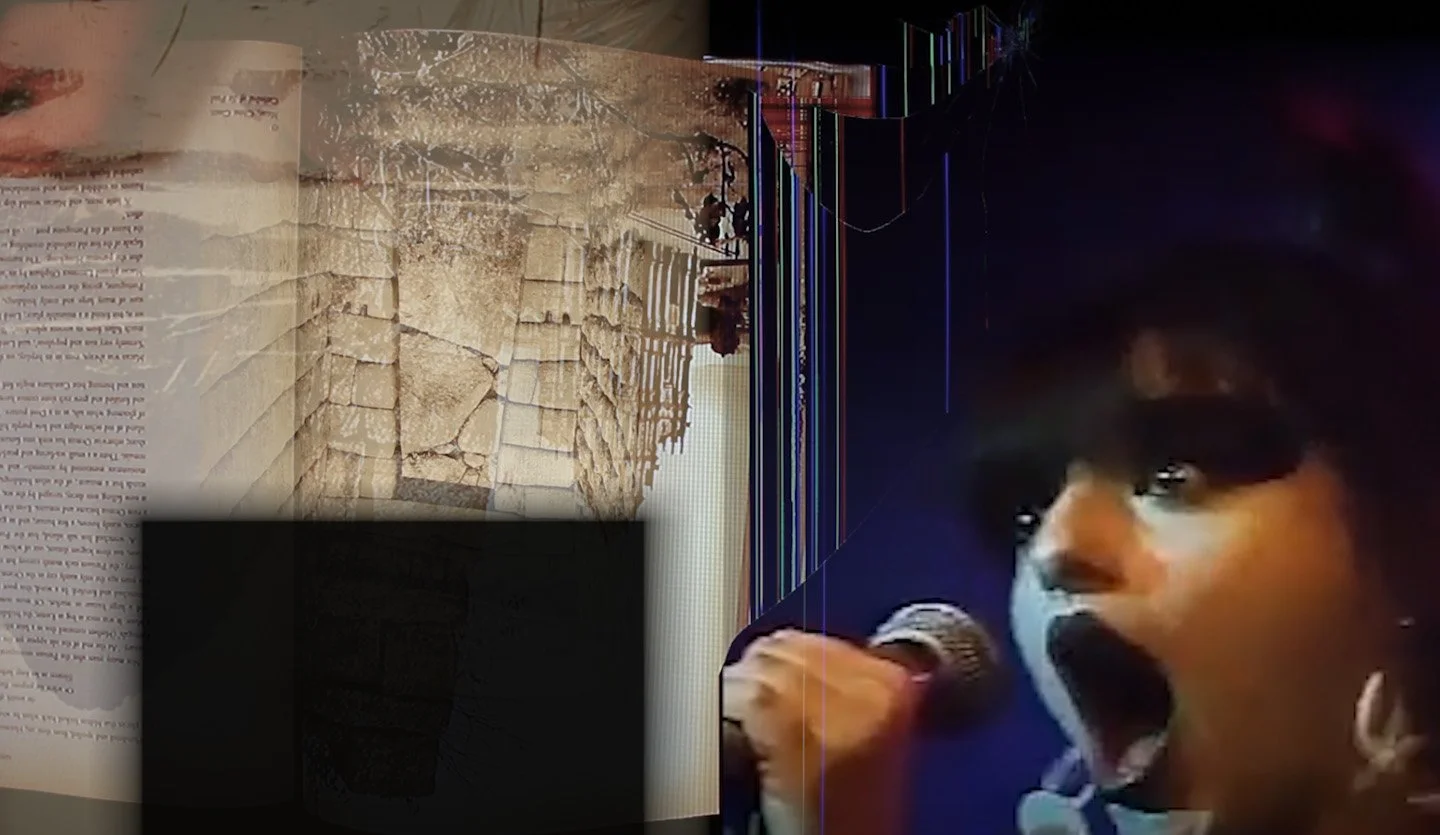
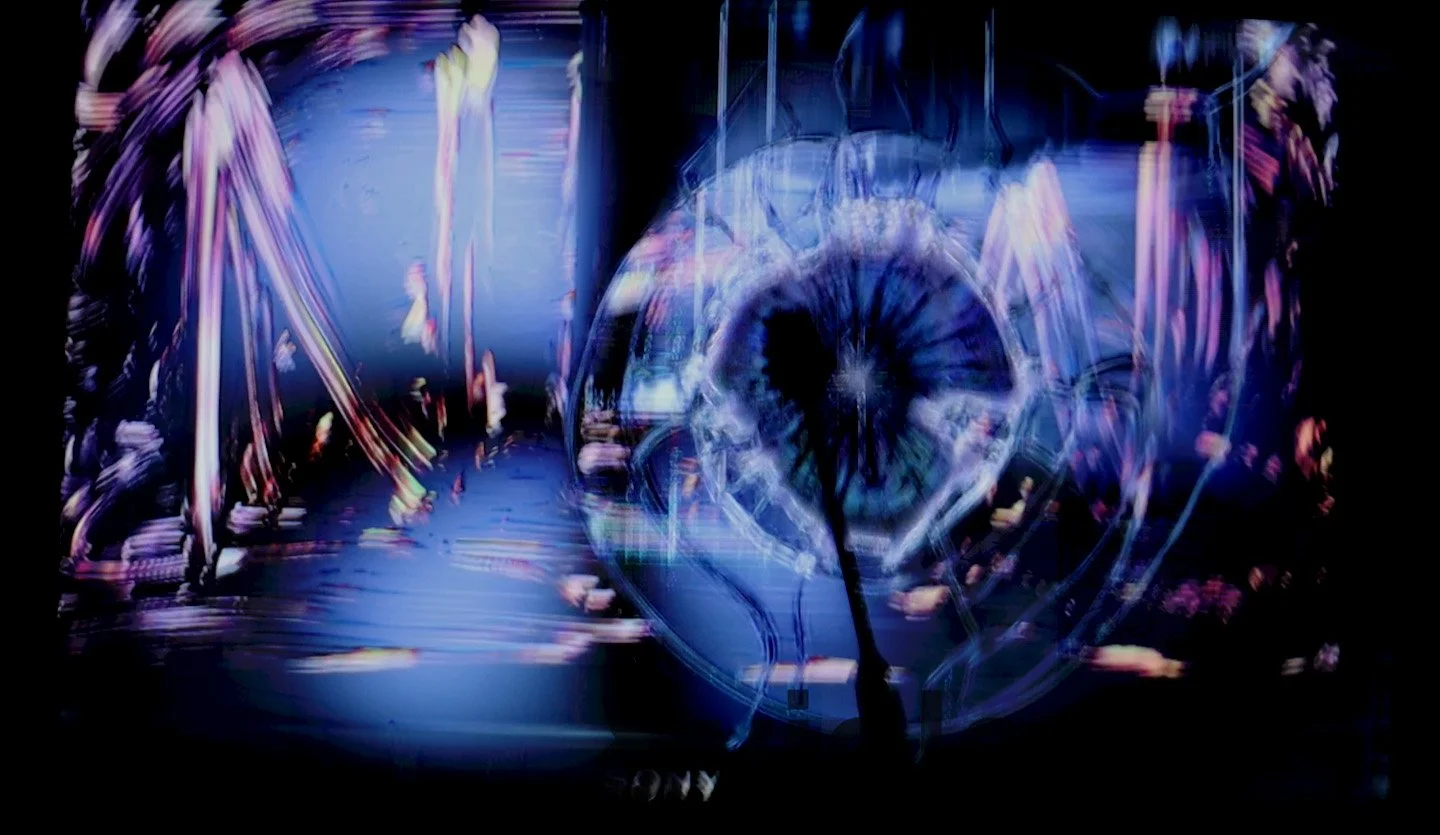
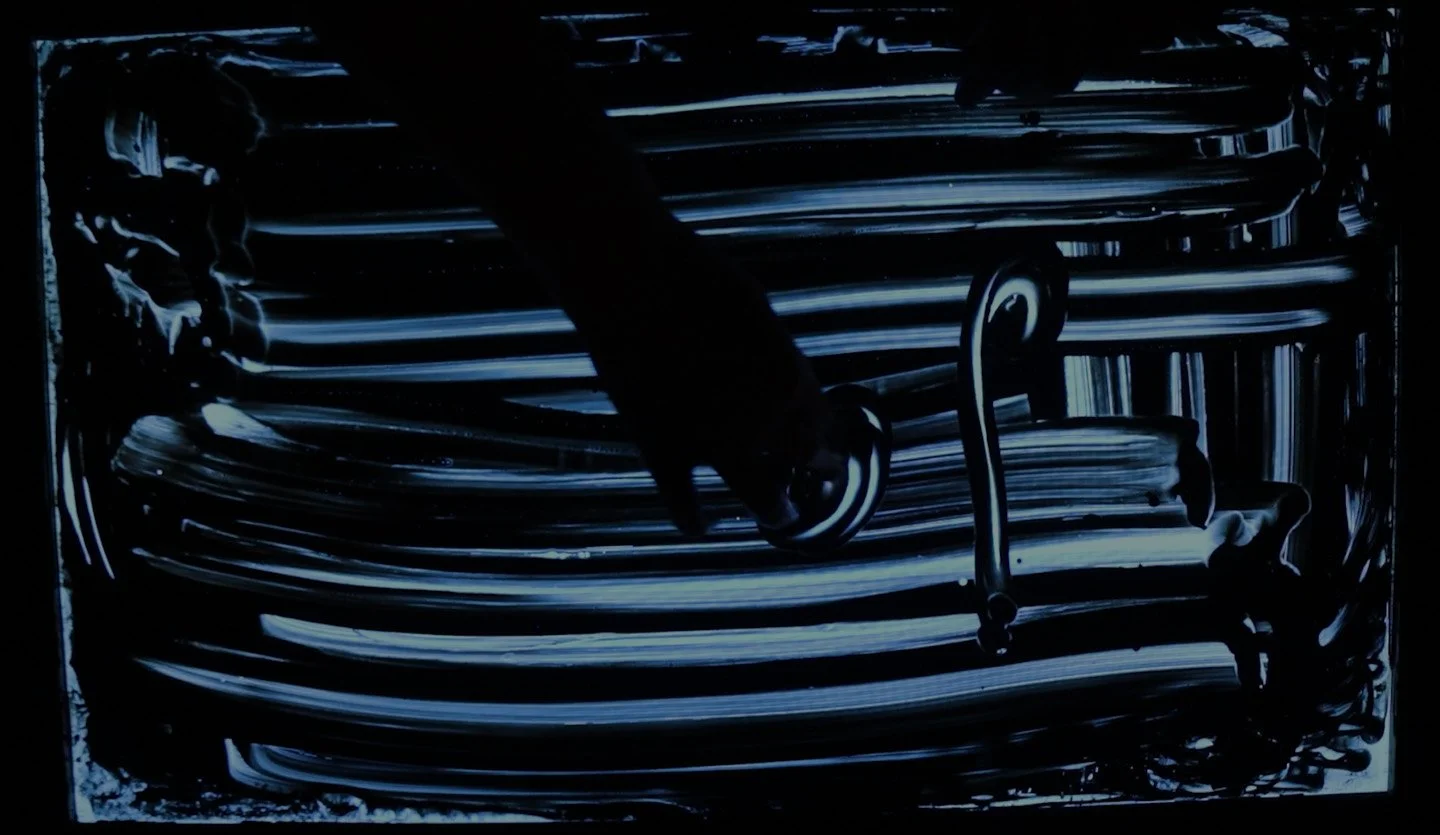
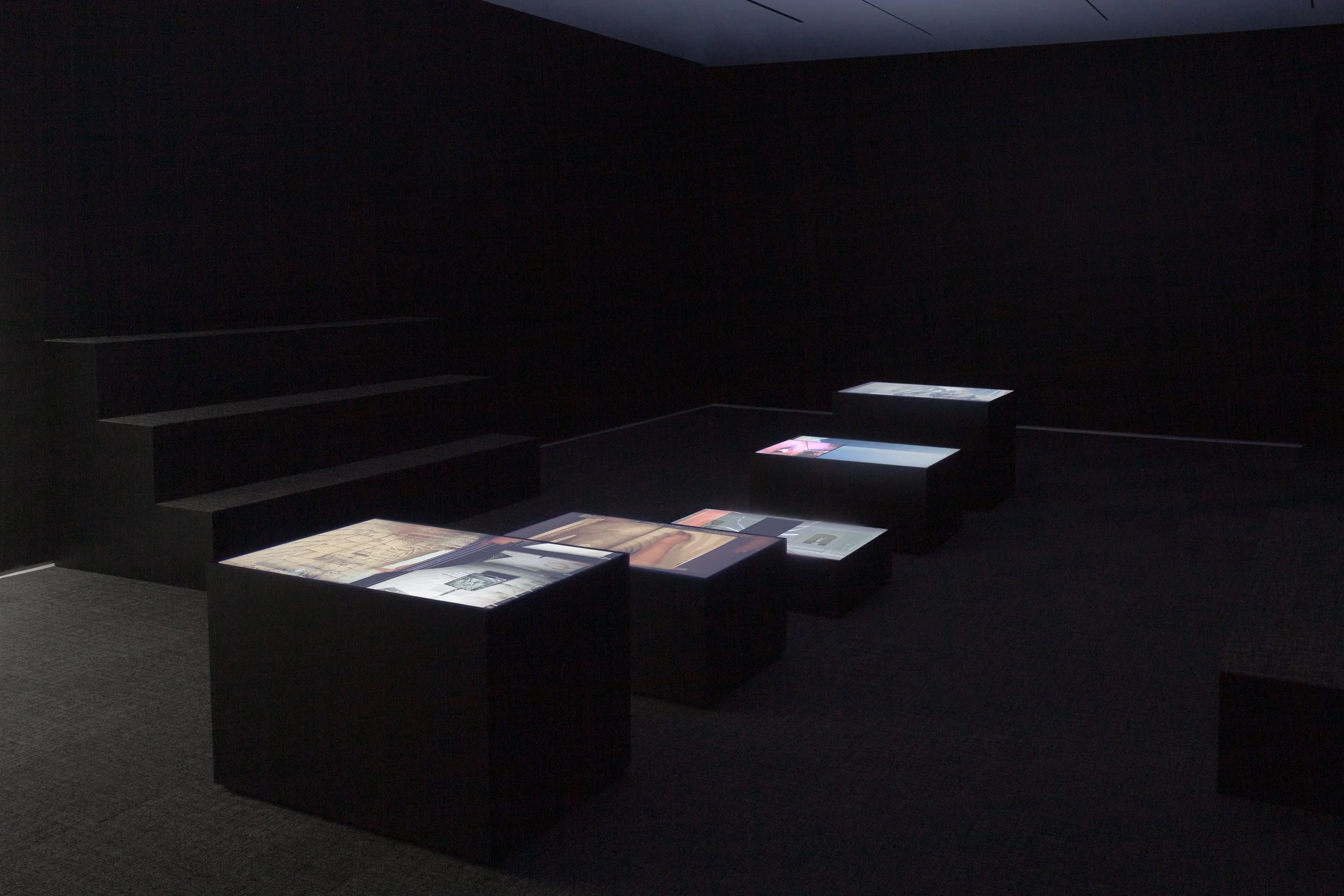
Fugue is a highly musical rumination on our charged historical moment. A five-channel video installation displayed on horizontal monitors in freestanding black pedestals, Abbey Williams has reedited and “remixed” the work since its 2025 premiere in Basel for its American debut at CMCA—a recursive practice central to her process. Over the course of its nearly eight-minute run time, Fugue montages overhead shots of the artist flipping through oversized photobooks of classical architecture, her hands pawing at or caressing marble statues and columns as if they were living flesh. The work eventually pivots to images of the artist’s hands painting on the surface of monitors that she ultimately shatters with a hammer, creating illuminated fissures akin to lightning that she also dangerously caresses. Throughout, Williams intersperses imagery from antiquity with canonical works of popular media, from Who’s Afraid of Virginia Woolf?, Network, and 2001: A Space Odyssey, to footage of performers Grace Jones and H.R. of hardcore band Bad Brains.
Williams deploys the Greco-Roman column as both icon and emblem of “Western civilization,” but also as a surrogate body—upright, load-bearing, idealized, and destined to fall. She further expands on this association by breaking it both pictorially and sculpturally; she smashes its image, and the five pedestals vary in height in a physical echo of the silhouette of a fallen column among ruins. The black rectangular pedestals also recall redactions, a motif the artist has returned to in multiple works.
Williams’s invocation of the history of “the West” is a symbolic amplification of a through line in her work as a whole: the intersectional experience of Black womanhood. Fugue analogizes collapsing columns and architecture—the smashing of screens, the process of ruination—with the personal process of aging. It responds with a mixture of grief and punk repudiation to a society that still prioritizes a mode of beauty connected with whiteness, youth, and fertility. This punk spirit is further charged by a collaged score of music sampling Throbbing Gristle, Sonic/Ciccone Youth, Lena Lovich, Black Flag, Childish Gambino, and an intentionally unsettling cacophony of noise. Williams insists on continuing to desire despite the inevitable complications of physical decline. Her use of images of figures like Elizabeth Taylor and Faye Dunaway, who defiantly worked “past their prime” and refused to “age gracefully,” is a testament to endurance, to legacies undiminished by time but instead sharpened by it.
Williams’s introduction of smeared, erased, and retraced black pigment adds a painterly and radical dimension to Fugue, extending her interest in rendering blackness—which is to say Blackness—the opposite of an erasure, a redaction, or a ground, but instead as a marker of presence and possibility. The gesture of treating the screen as support for painterly mark making also collapses the distance between media, setting the backlit surface of the video screen and traditional painterly supports (canvas, paper) on equal footing. Williams’s filming the surface of shattering screens similarly collapses the distinction between digital and analogue processes. The image never fully settles; it remains in a state of becoming, caught in the act of a body thinking through touch, accumulation, and loss. Its final segment serves as a bittersweet coda, producing an atmosphere at once mournful and insurgent.
A fugue is a composition in which multiple voices imitate, recapitulate, and transform a singular theme; it is also a psychological state of dissociation, loss of identity, or amnesia. Williams draws on both meanings, turning the rigor of the form into a site for holding and understanding the disorientation of our present world and selves. Aligning the collapsing column and all its connotations with the exhausted body, Williams embraces “ruination” as a site for radical agency. Through touch and the act of breaking, she recasts the undoing of the world as a catalyst for defiant vitality and persistent desire.
Fugue was made, in part, in residence at Surf Point in York, Maine. This exhibition was made possible by the generous support of donors to the Suzette McAvoy Exhibition Fund.
About the Artist
Abbey Williams (b. 1971) received her BFA from the Cooper Union for the Advancement of Science and Art, her MFA from the Milton Avery Graduate School of the Arts at Bard College, and attended the Skowhegan School of Painting and Sculpture. Her solo exhibitions include A.I.R. Gallery, Broadway, the Philadelphia Art Alliance, Sargent’s Daughters, Bellwether Gallery, and Foxy Production. Her work has also been exhibited at venues including the Baltimore Museum of Art, Tate Britain, the Schirn Kunsthalle, the Anthology Film Archives, the Brooklyn Academy of Music, the Studio Museum in Harlem, the Wadsworth Atheneum Museum of Art, the Hammer Museum, Artists Space, the Museo Reina Sofia, PS1/MoMA, and Art in General.
All images courtesy of the artist, Broadway, and the Center for Maine Contemporary Art (Photos: Art Index)